Challenge:
The consolidation of two fundamentally different software architectures—a legacy on-premise solution and a specialized cloud platform for Apple devices—presented a significant strategic hurdle. The core challenge extended beyond the technical integration of device management and software deployment for global enterprises; it centered on overcoming deep-seated skepticism regarding cloud technologies within the enterprise sector. At the time, corporate trust in cloud solutions was still fragile, raising fundamental questions about the long-term viability and security of a merged, cloud-based system. It was essential to develop a vision that addressed the hybrid requirements of modern work environments while ensuring seamless scalability across international client landscapes. In my role, I served as the critical link between the technical constraints of legacy systems and the high efficiency expectations of global stakeholders, navigating complex cross-border requirements.
Solution:
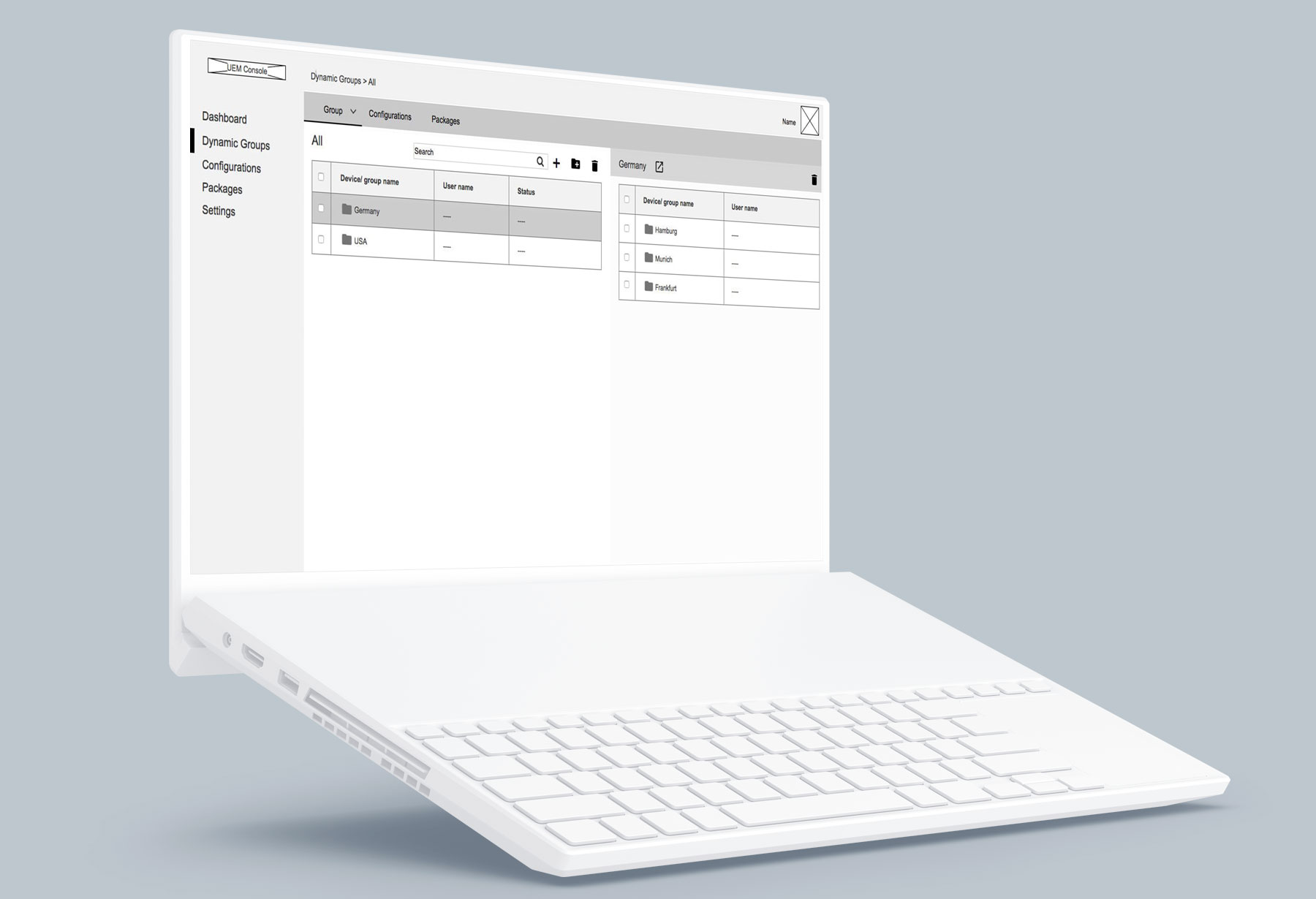
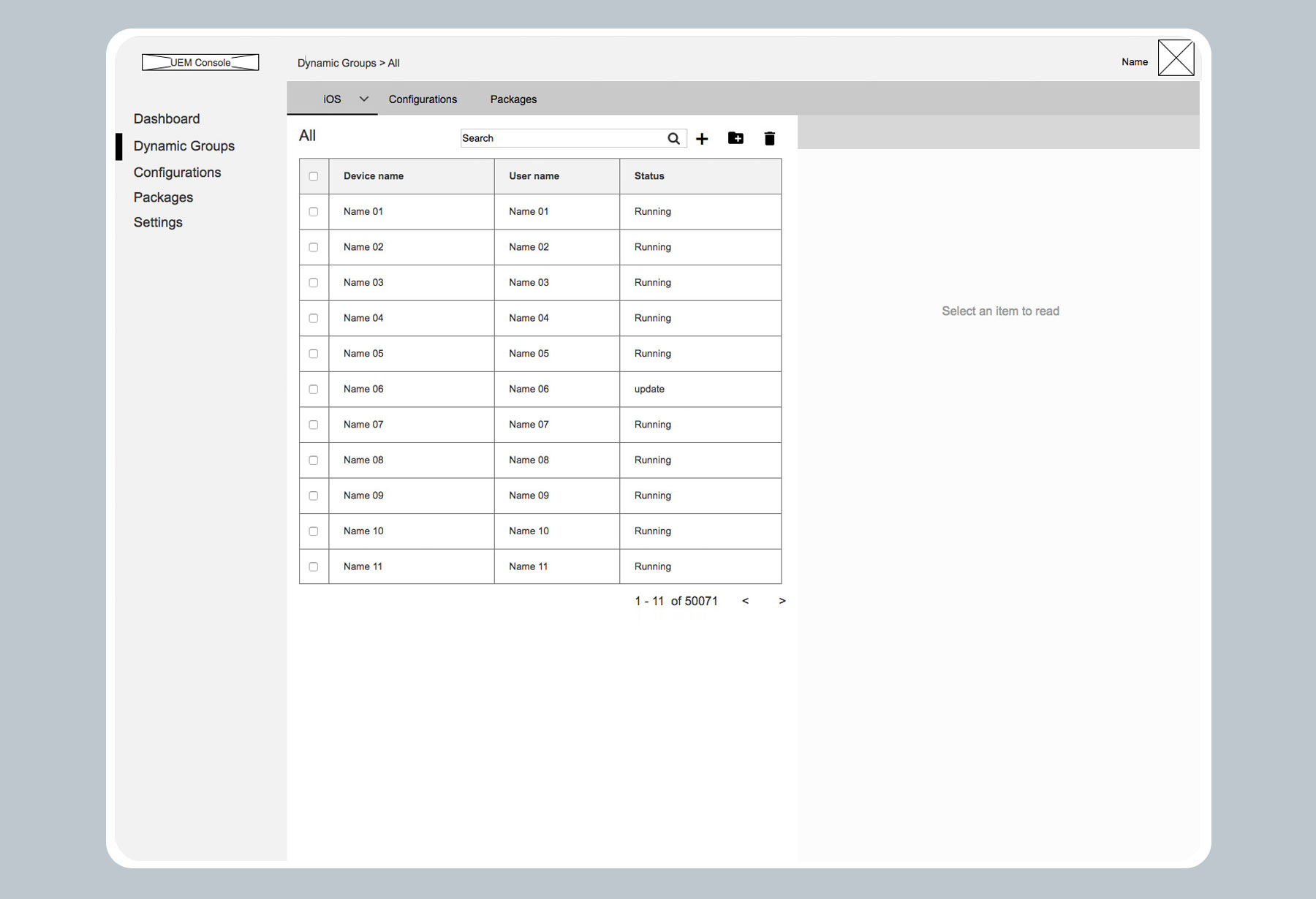
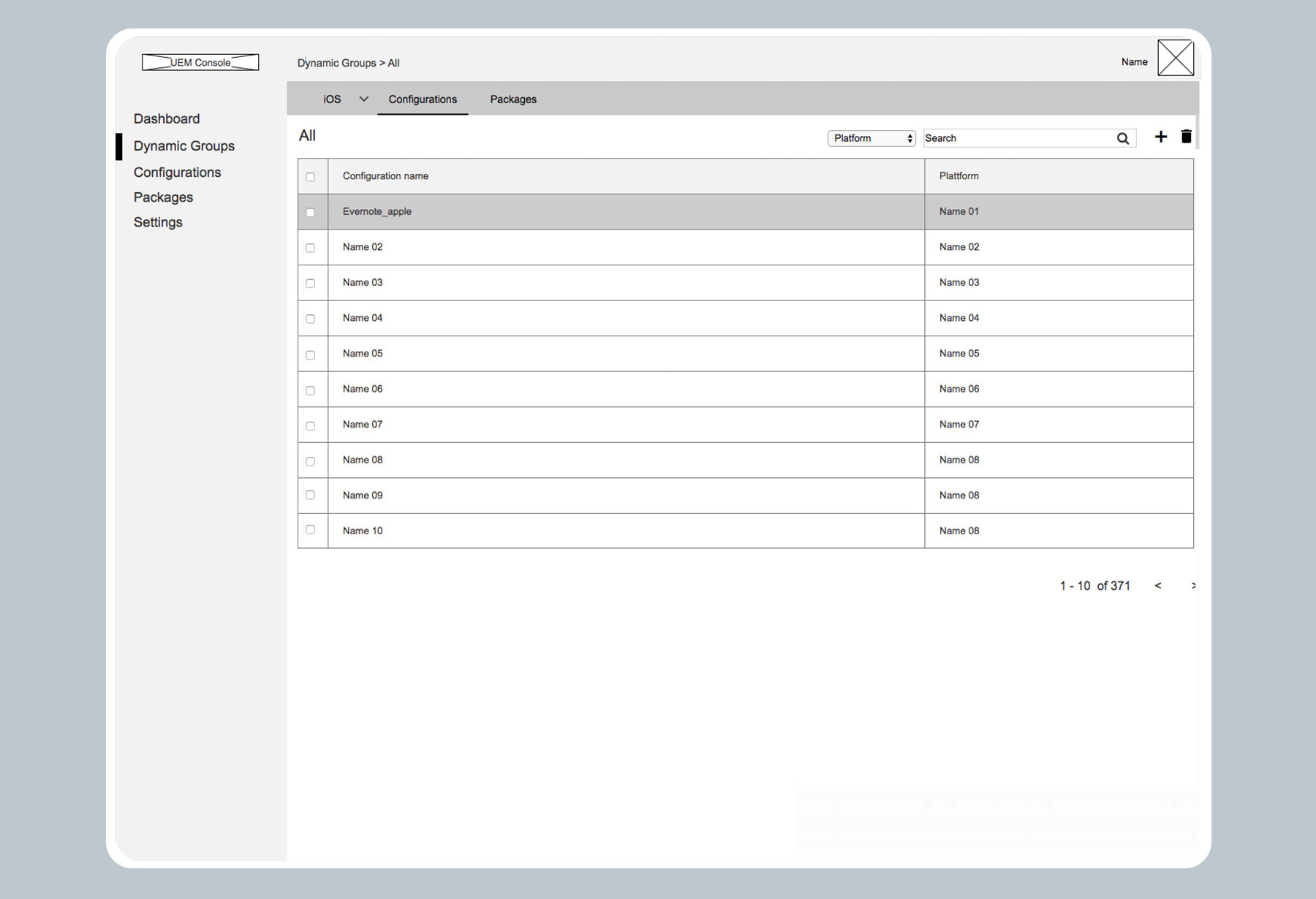
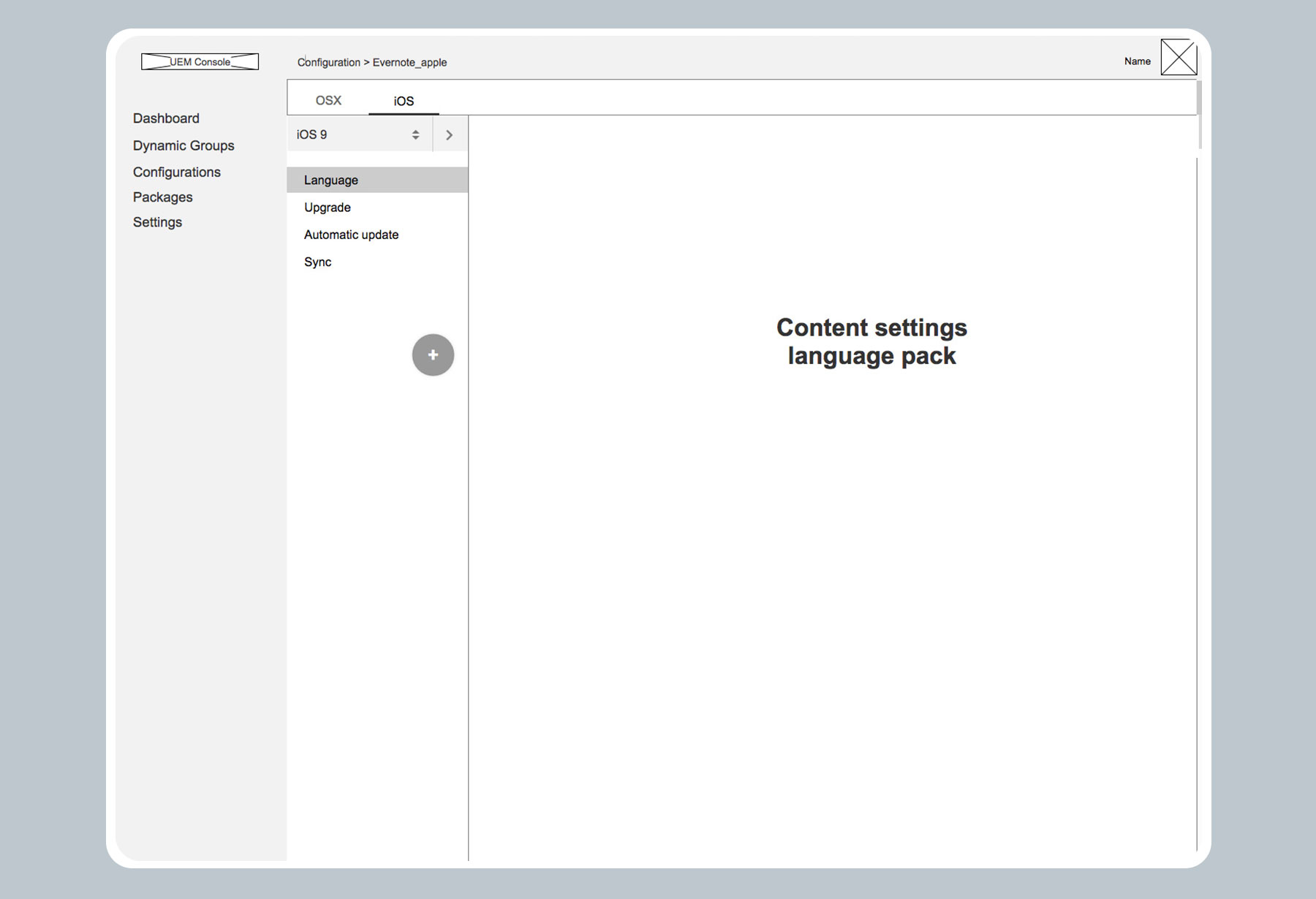
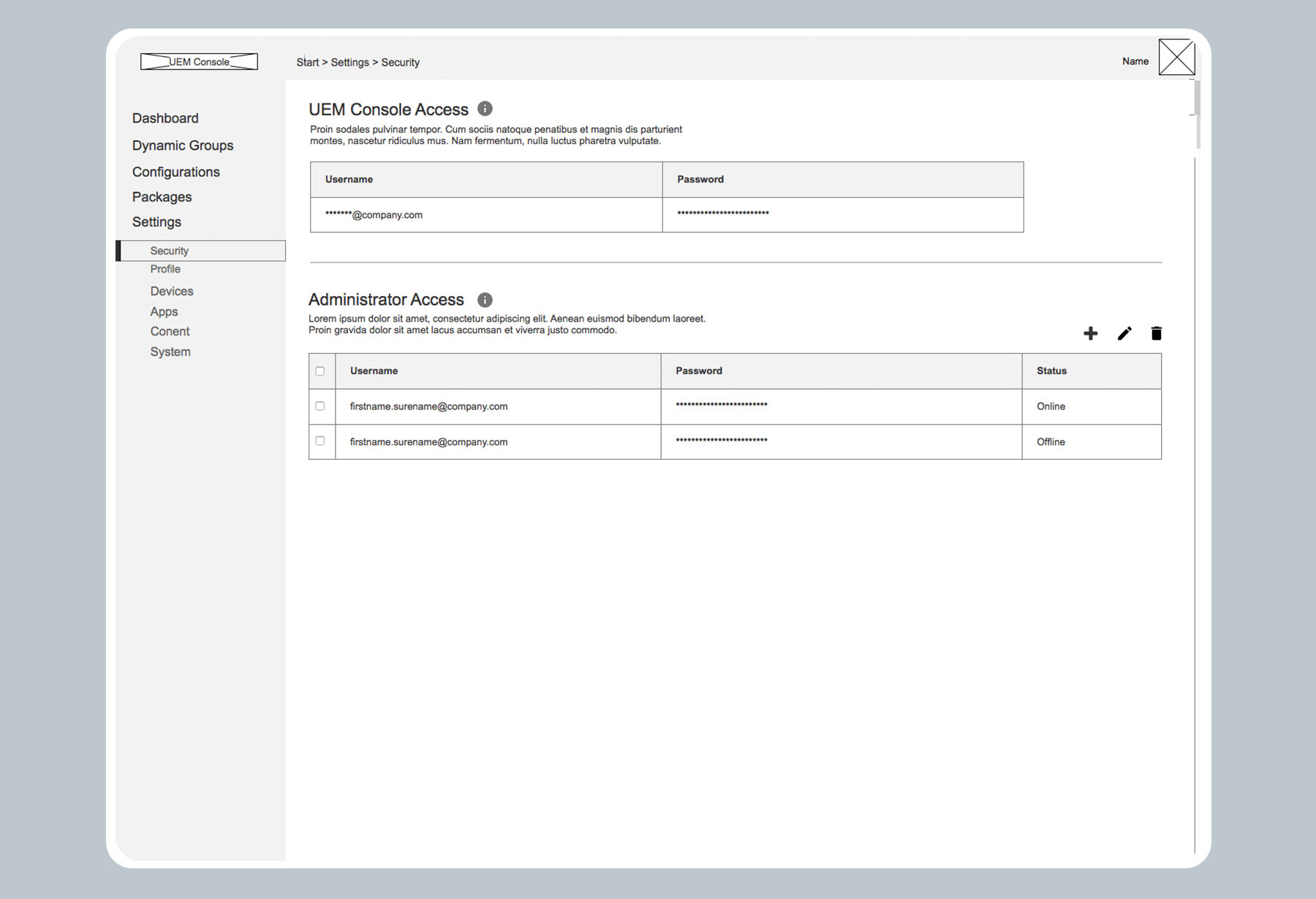
The solution was built on a data-driven process that closely aligned technical feasibility with strategic business objectives. Working in tight collaboration with development architects, product owners, and executive leadership, I initiated a comprehensive research phase to validate customer acceptance and operational workflows. Building on detailed flowcharts that visualized the complex logic of MDM and software assignment, I developed high-fidelity interactive prototypes using Axure. These served as a central communication and testing tool, allowing us to continuously refine the MVP concept through iterative cycles with beta customers. Through this user-centric approach, we not only strengthened trust in the cloud transformation but also ensured that the new platform delivered immediate value in daily operations. My role as a liaison enabled me to translate complex architectural decisions into a scalable design strategy, laying the foundation for a modern, unified enterprise ecosystem.